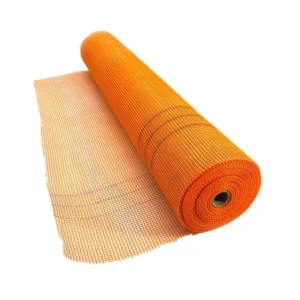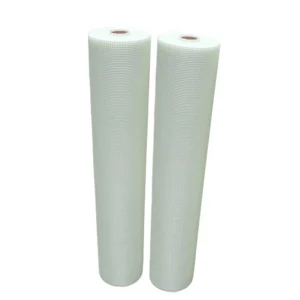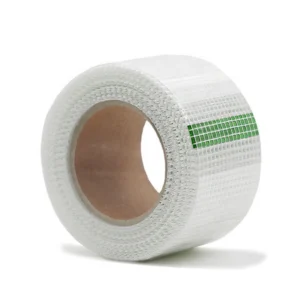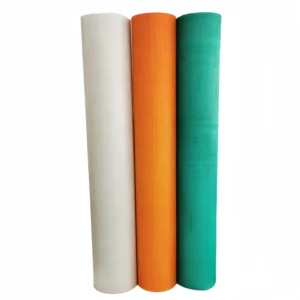
Cement Gypsum Fiberglass Mesh

Purpose: Based on the product name and industry-common functions, its core purpose is to serve as a reinforcement substrate for cement and gypsum-based materials, dispersing internal shrinkage stress and inhibiting crack propagation through its grid structure to enhance the structural stability and durability of cement-gypsum products. Specific applications include:

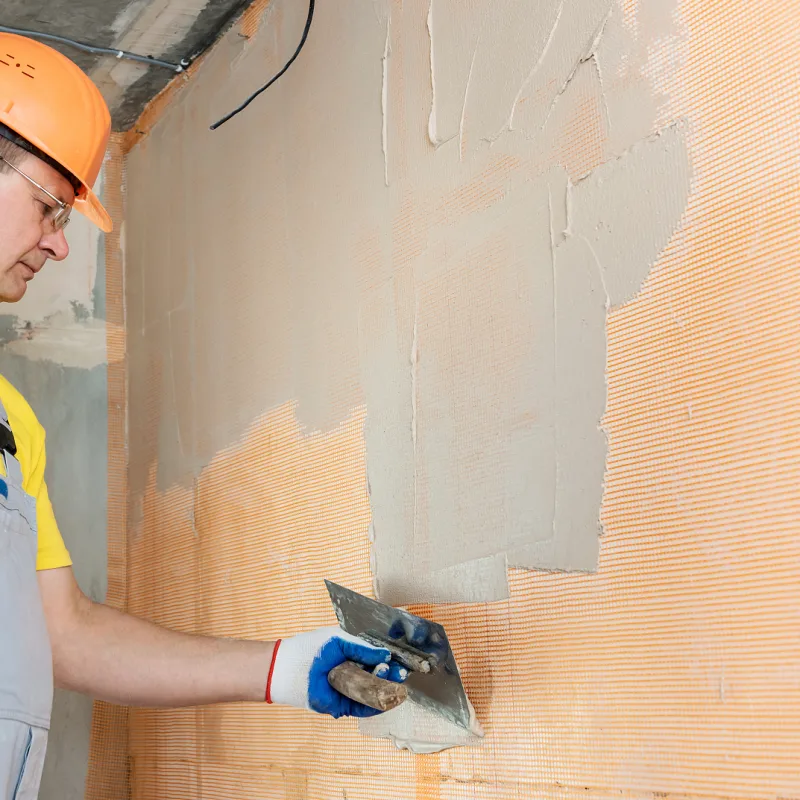
  1. Cement wall/floor reinforcement: For crack prevention in cement plaster layers and floor leveling layers, avoiding mesh cracks caused by temperature/humidity changes;
  2. Gypsum product reinforcement: Internal skeleton reinforcement for gypsum boards, gypsum lines, and gypsum ceilings to improve impact resistance and deformation resistance;
  3. Composite wall reinforcement: As an intermediate reinforcement layer in cement-gypsum composite walls to improve overall crack resistance;
  4. Other scenarios: Auxiliary reinforcement for GRC (Glass Fiber Reinforced Concrete) components and crack repair in old wall renovation.

    The product is used with cement, gypsum, and other adhesives, providing a “lightweight, highly adaptable” substrate reinforcement solution for builders, gypsum product manufacturers, and decoration engineering parties.

  • Product Parameters:
    • Material: Uses E-glass fiberglass​ (alkali content ≤0.8%, better resistance to cement/gypsum alkaline environments than C-glass) as the main raw material, woven into a grid structure by plain weave. The surface can be optionally coated with an alkali-resistant coating​ (enhancing bond with cement substrates) or a thin anti-crack coating​ (optimizing construction feel);
    • Mesh count and wire diameter: Common mesh count is 5-10 mesh​, single fiberglass yarn diameter is 0.2-0.4mm​ (balancing strength and flexibility for curved or irregular substrates);
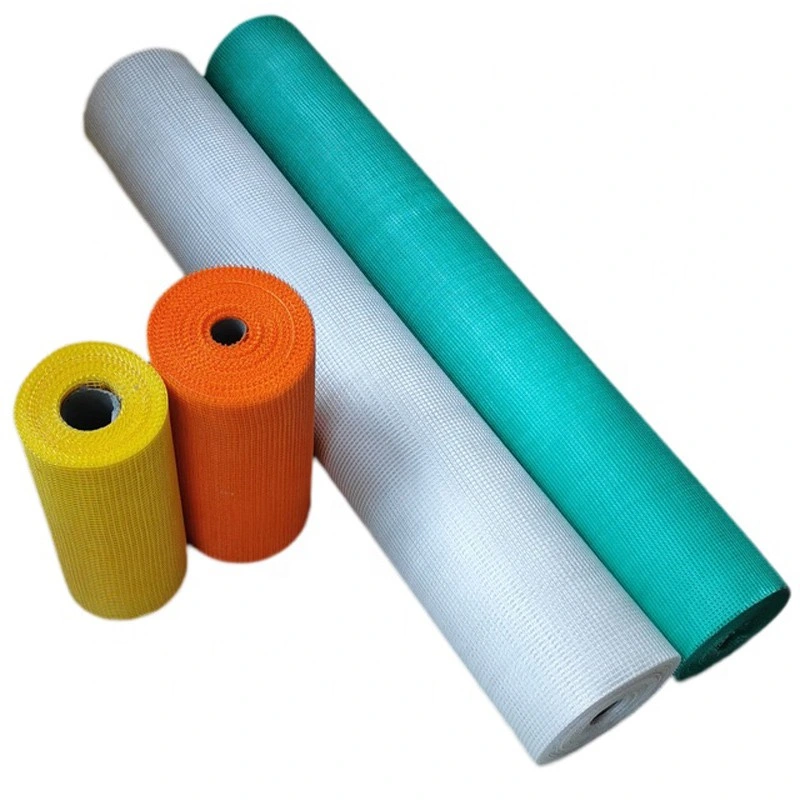
    • Size: Width 1-2 meters​ (adapted to common cement plaster board or gypsum board widths), length 50-100 meters/roll​ (roll form for continuous construction);
  • Product Advantages​:
    • Relying on CredenTex’s in-house fiberglass spinning + grid weaving production lines​ to ensure fiber diameter uniformity and consistent mesh size (error ≤±1 mesh), avoiding uneven reinforcement for cement-gypsum substrates due to raw material deviations;
    • Strictly implementing full-process quality control​ (fiberglass raw material selection → spinning tension monitoring → weaving density inspection → alkali resistance/bonding strength testing), complying with ISO 9001 certification standards. Some products can meet CE Mark;
    • Providing customized solutions​ to adjust parameters according to cement-gypsum substrate types (e.g., low-mesh net for high-flowability gypsum, thickened wire diameter net for heavy-duty cement floors);
    • Competitive pricing directly from the factory​ reduces substrate costs compared to intermediary purchases;
    • Reliable lead times​ (20-25 days for standard products, 30-35 days for customized orders) and efficient export logistics;
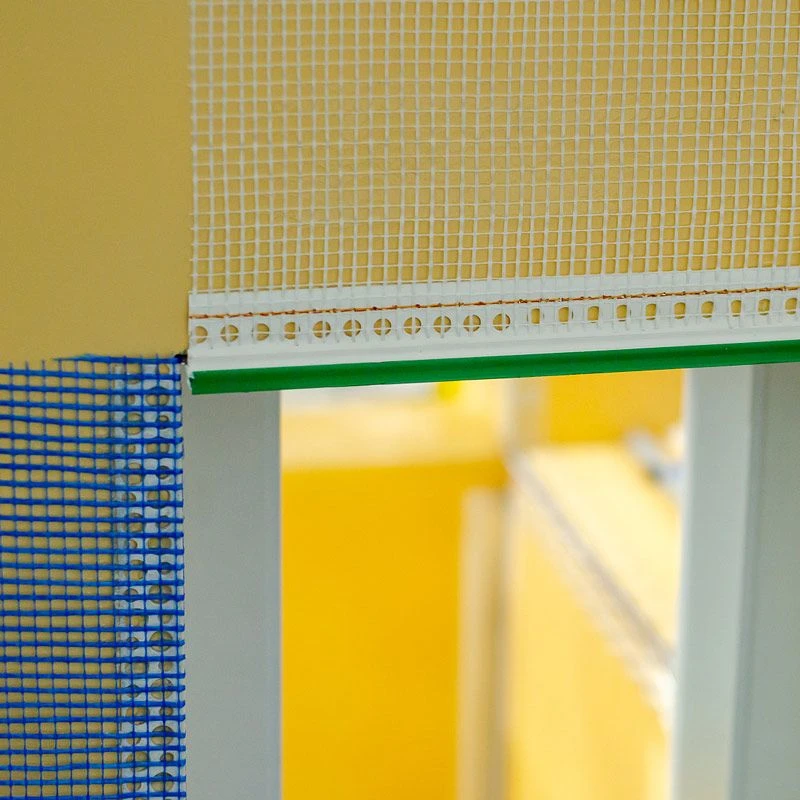
    • As a core cement-gypsum substrate reinforcement product​ in CredenTex’s “one-stop construction mesh products and material solutions“, it synergizes with fiberglass tape (for mesh splicing) and waterproof fiberglass cloth (for wet environment reinforcement) to help customers builders and gypsum manufacturers achieve one-stop procurement of “reinforcement materials + supporting accessories”;
    • Core value of the product: Balancing “reinforcement efficacy” and “substrate compatibility“—through the alkali resistance of E-glass fiber and low-mesh design, ensuring stable bonding with cement/gypsum, while the lightweight grid structure avoids adding substrate load.